
Misalignment between drawing specifications and shop capabilities remains a common friction point. Engineers often specify tolerances without full visibility of available fabrication equipment. Conversely, shops sometimes lack context regarding why a particular dimension is critical. This disconnect leads to rework, delays, and compromised structural integrity. Addressing this gap requires a shared vocabulary rooted in metalworking standards. Both parties must recognize that drawings represent intent, not absolute reality.
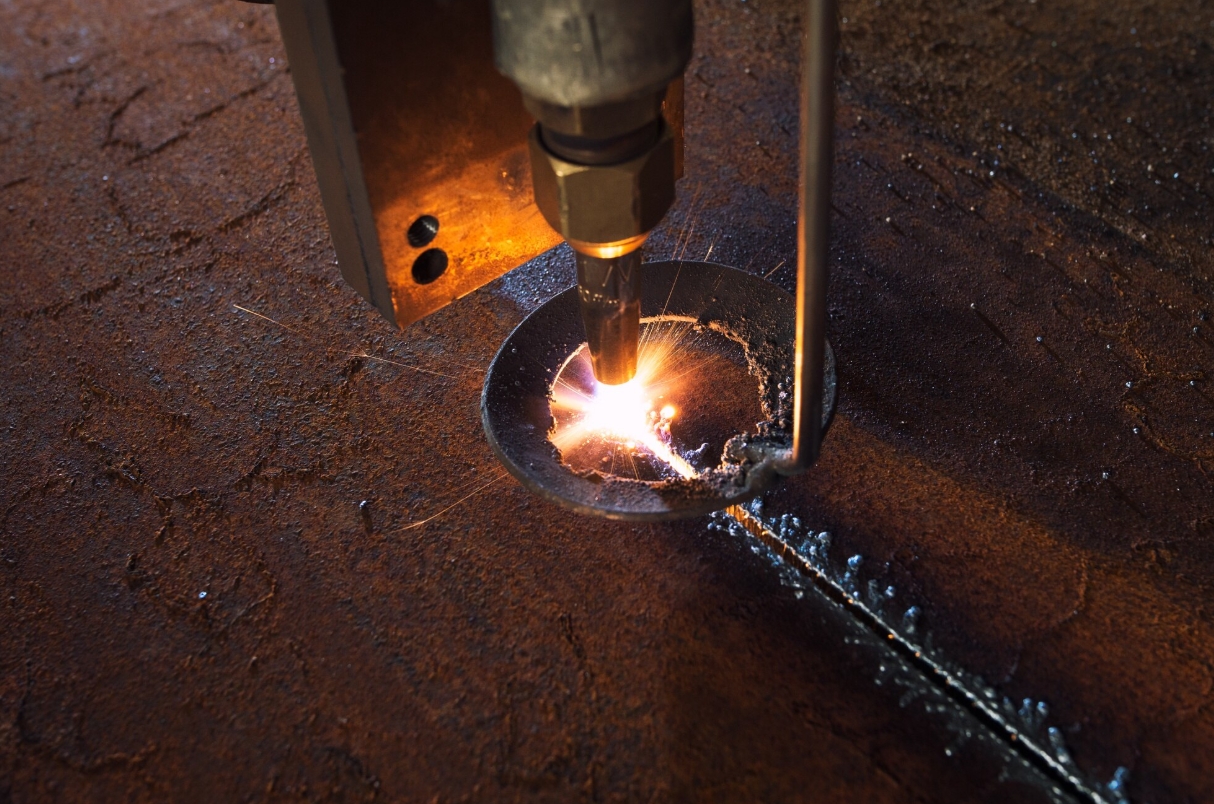
Steel fabrication technology has introduced laser scanning and CNC punching to improve accuracy. These tools allow fabricators to achieve tolerances that were previously unrealistic for heavy steel structures. However, technology alone does not solve the communication problem. A robust fabrication workflow overview includes regular cross-departmental reviews of project specifications. When designers visit the shop floor, both sides develop a deeper respect for the other’s constraints. These interactions often reveal opportunities for specification refinement on future projects.
Industrial metal applications such as crane runways or turbine supports demand near-perfect alignment. Even minor deviations can accelerate wear on moving components. Structural metal design teams are now adopting tolerance mapping early in the planning phase. This proactive approach reduces friction during assembly. It also reinforces the value of treating engineering and fabrication as a single, unified process. Tolerance mapping assigns allowable deviation limits to every critical interface.
The human factor remains central to tolerance management. Experienced fitters develop intuition about how steel will behave during welding and cooling. This knowledge is rarely captured in formal documentation. Forward-thinking shops now record warping patterns and fit-up challenges for future reference. Such institutional knowledge complements formal metalworking standards effectively. It also helps engineers understand why certain dimensions are difficult to hold consistently.
Contract language increasingly addresses tolerance responsibilities explicitly. Some specifications assign liability for fit-up issues solely to fabricators. More equitable contracts recognize that design details influence achievable precision. Joint reviews of tolerance requirements before bidding reduce disputes later. These discussions also identify opportunities for value engineering. When both parties share risk, the quality of industrial steel systems improves measurably.
The future of tolerance management lies in closed-loop digital feedback. Shop measurement data can be compared directly to design models. Discrepancies are flagged instantly, allowing real process adjustments. Some facilities already transmit coordinate data from CMM arms directly to engineering teams. This continuous improvement cycle benefits everyone involved. As this practice becomes widespread, the historical gap between drawing and shop floor will continue to narrow.