


Technical Depth
We focus on the “how” and “why” of production. Articles often reference specific metalworking standards and how they apply to real-world scenarios. This helps both seasoned engineers and newcomers understand the logic behind the processes.

Process Clarity
Fabrication is a sequence of precise steps. We map out the fabrication workflow overview from raw material inspection to final assembly. Understanding this flow minimizes errors and improves shop floor safety.

Application Focus
Steel is versatile. We examine industrial metal applications across various sectors, from infrastructure to heavy machinery. Each case study highlights unique challenges solved through proper structural welding methods.

Community Resource
This is a knowledge archive, not a sales pitch. We compile steel industry insights and interviews with field professionals. It’s a space to reference current capabilities in structural metal design.
Core Pillars of Modern Fabrication
Connection Design Engineering
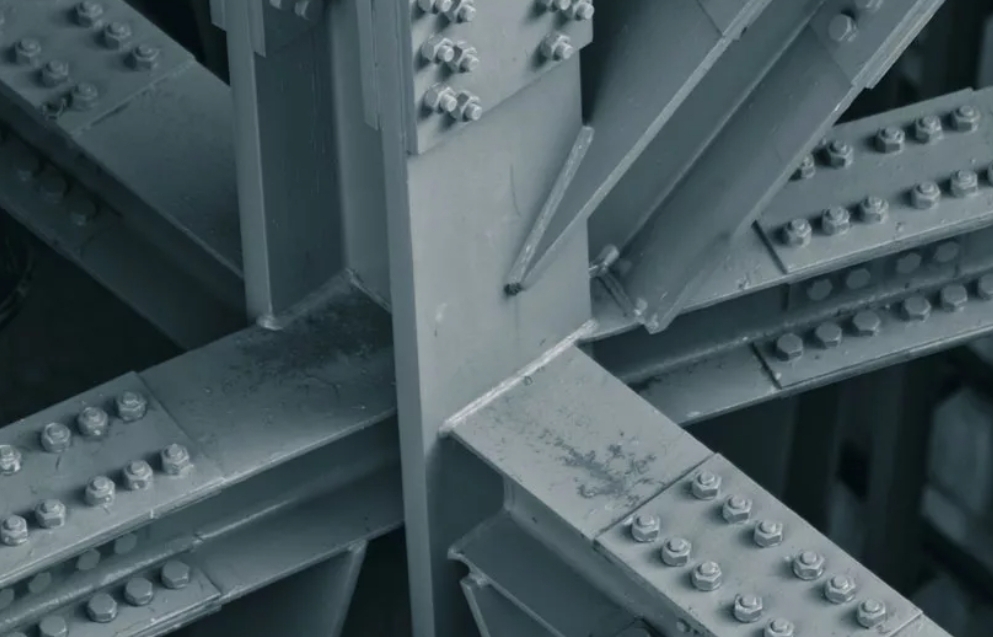
Connection design is often the most labor-intensive phase of structural metal design. Every bolt group and weld line must accommodate specific shear, tension, and moment forces. We analyze how different connection types behave under load in heavy steel structures. Our articles compare traditional clip angles to modern extended shear tab configurations. Understanding connection behavior prevents brittle failure and simplifies field erection.
Surface Preparation and Coating Logic
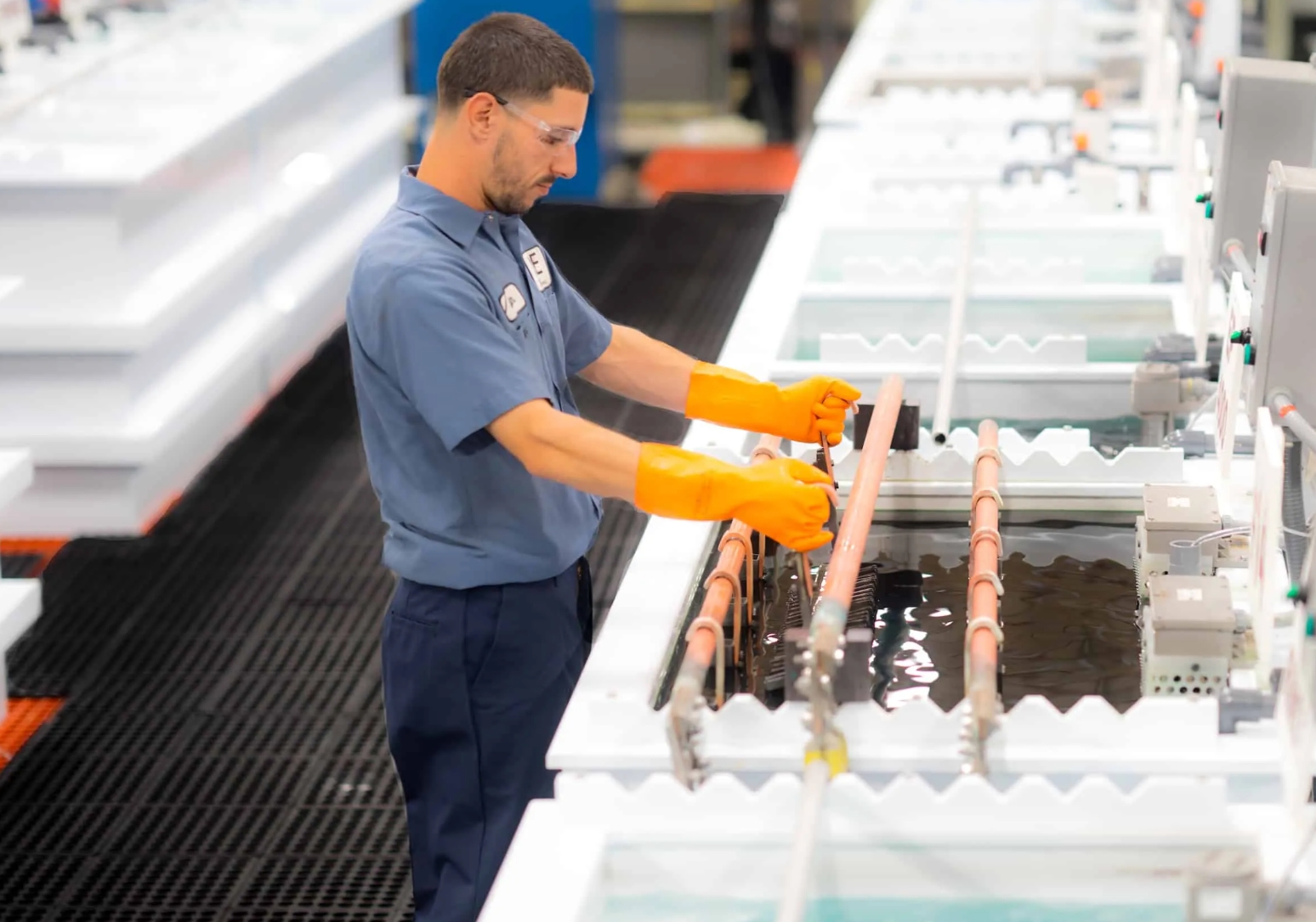
Steel is durable, but it is not immune to corrosion. Industrial metal applications often require exposure to moisture, chemicals, or salt-laden air. We discuss how abrasive blasting standards and profilometry affect coating adhesion. The relationship between surface cleanliness and coating longevity is a recurring theme in our posts. Metalworking standards such as SSPC and NACE provide clear benchmarks for this work.
Erection Sequencing and Stability
A perfectly fabricated component can still fail if erected incorrectly. We study how erection sequencing impacts temporary stability of heavy steel structures. Bracing requirements change as each piece is lifted and aligned. Our content explains how engineers predict sway and wind loads during construction. These steel industry insights help planners avoid costly and dangerous collapses.
Blog

Material Traceability in Metalworking Standards
Understanding load paths is fundamental to reliable structural metal design. Every beam, column, and connection in an industrial steel system must transfer weight and external forces efficiently to the ground. If a load path is interrupted or[…]
The Role of Preheating in Structural Welding Methods
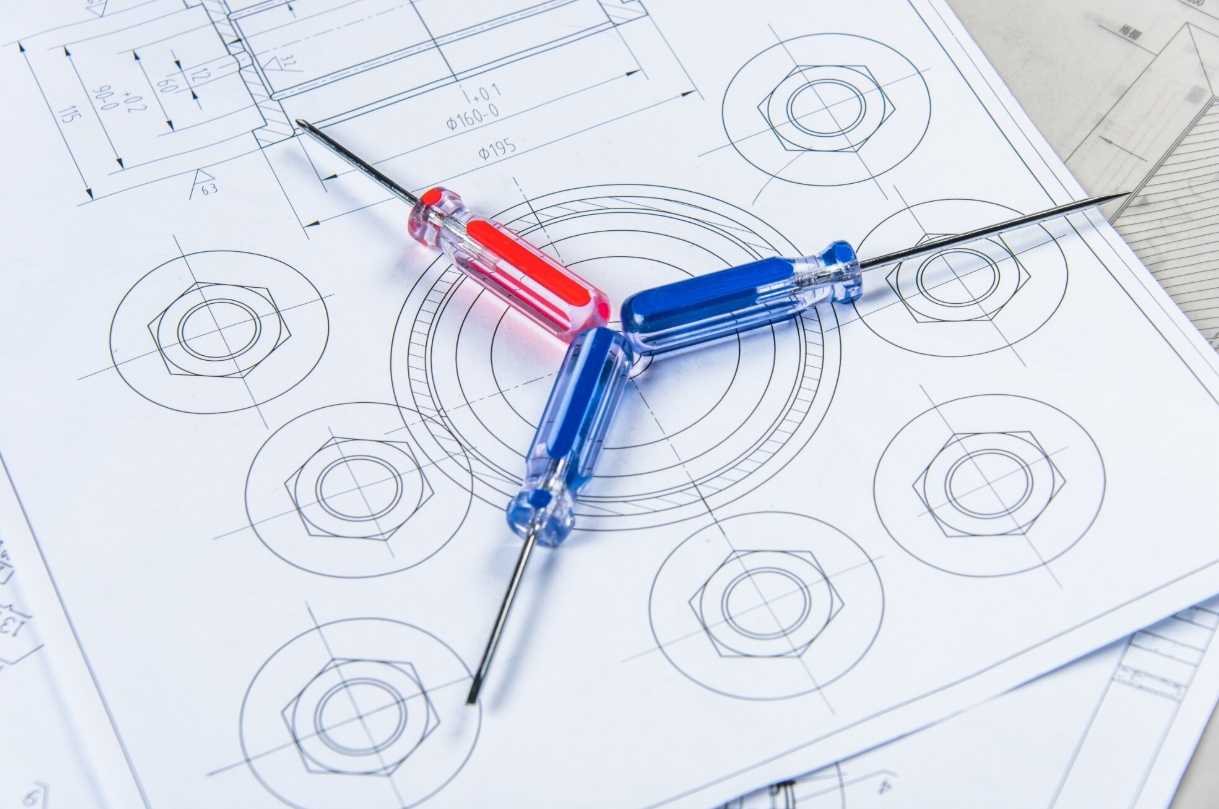
Misalignment between drawing specifications and shop capabilities remains a common friction point. Engineers often specify tolerances without full visibility of available fabrication equipment. Conversely, shops sometimes lack context regarding why a particular dimension is critical. This disconnect[…]
Bridging the Gap Between Shop Floor Tolerances and Industrial Metal Applications
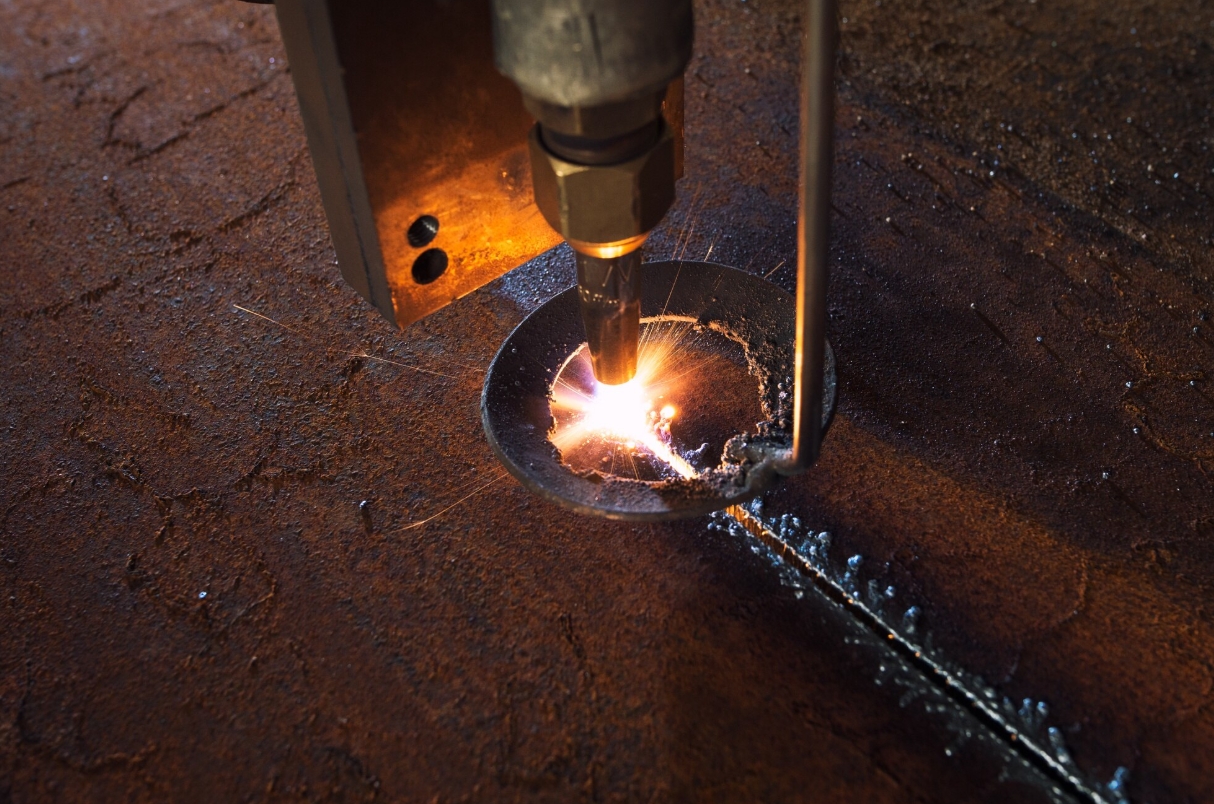
Preheating is often misunderstood as an optional step rather than a necessity. In structural welding methods, preheating slows the cooling rate of the weld and base material. This prevents hydrogen-induced cracking in high-carbon or thick-section steels. Many[…]

The Evolution of Load Paths in Steel Engineering Concepts
Traceability is the backbone of accountability in structural metal design. Every piece of steel entering a fabrication shop carries a unique identity tied to its mill certificate. This document confirms chemical composition, mechanical properties, and heat treatment[…]